General
-
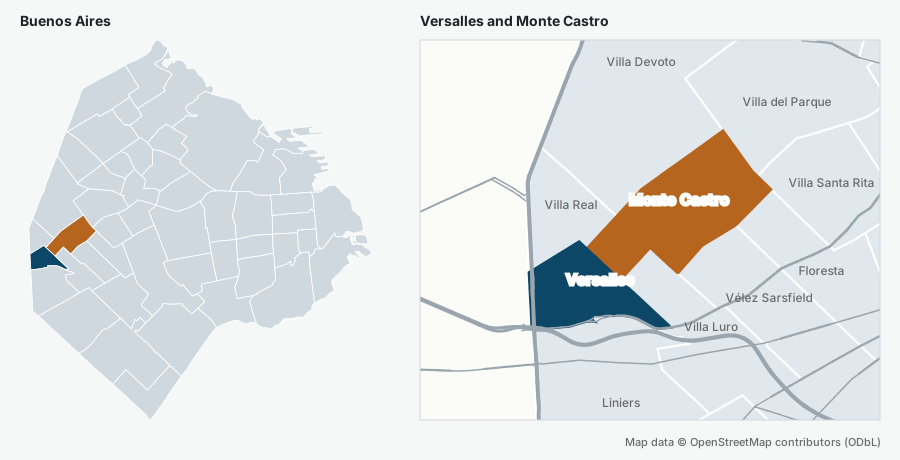
Versalles and Monte Castro: two quiet barrios of Buenos Aires
History of the Buenos Aires neighbourhoods Versalles and Monte Castro: colonial estates, the Casa del Virrey, the Trencito de Versalles, the Cine Teatro Febo and their few traces in tango.
-
Tango films that were never released (sound era)
Argentine tango films from 1942 to 2001 that were left unfinished or never reached cinemas, including Soy del tiempo de Gardel, Tango argentino (1969) and Osvaldo Pugliese's Muchas gracias, maestro. With notes on where they can be seen today.
-
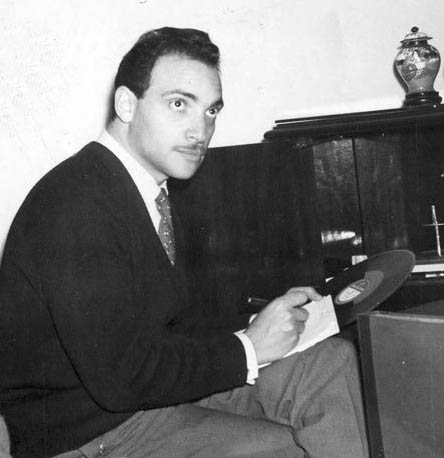
Alejandro Romay: Grandes Valores del Tango
Introduction There was a period in the development of Tango, when everyday dancing was on the decline, and Tango lost its prime place in public attention, even in Argentina and Uruguay. This period started in the late 1950s and lasted until the 1980s. While in this period Milongas were sparse and the number of “Orchestras … Read more
-
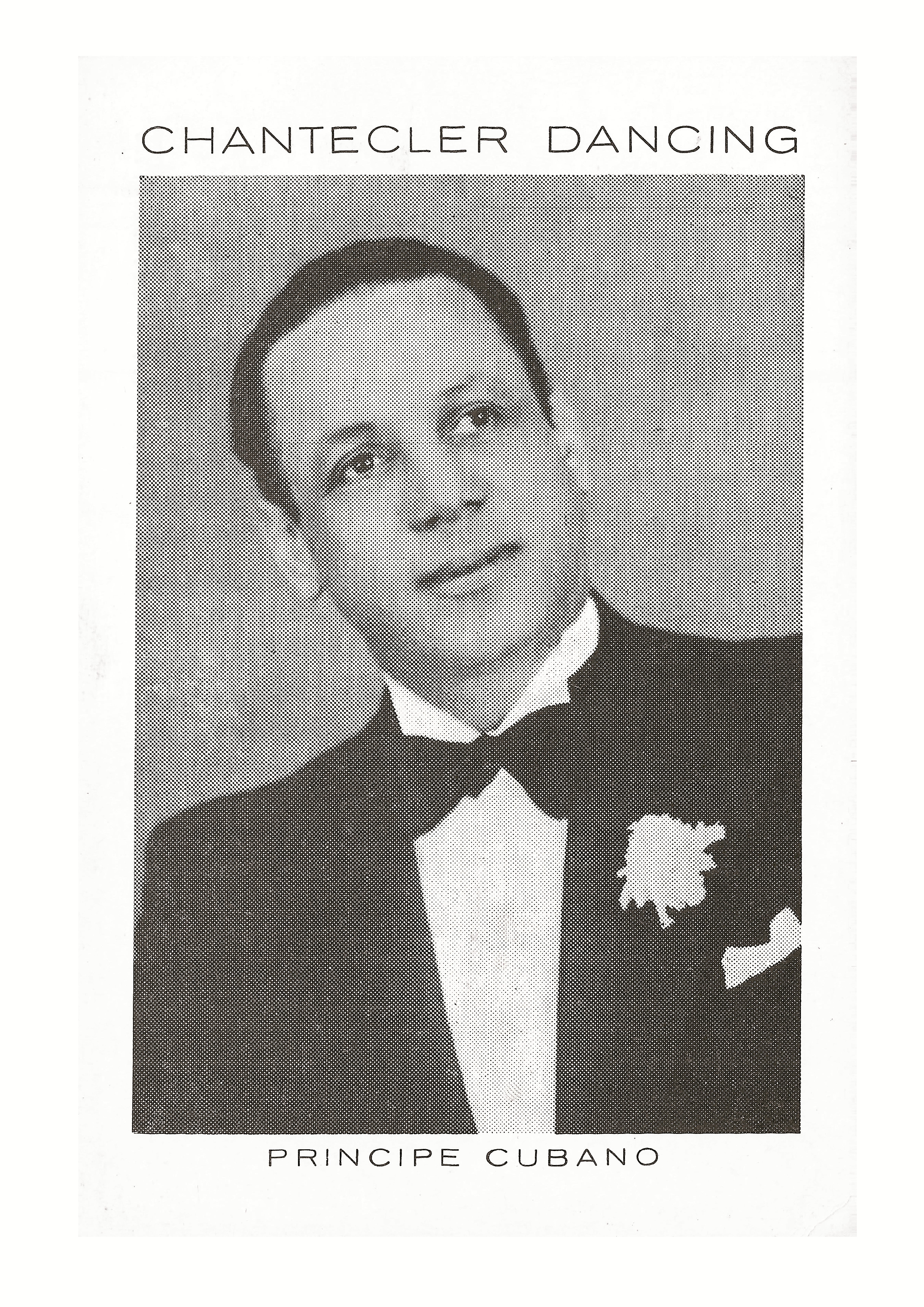
Ángel Sánchez Carreño – The Príncipe Cubano of Chantecler Cabaret
A recurring motif in many Tango songs is the cabaret. The cabarets were nightclubs that had live orchestras playing tango every night. One of the most famous ones, The Chantecler Cabaret, was run by Ángel Sánchez Carreño, also known as Príncipe Cubano, and is made famous through many Tangos that are still played in Milongas … Read more
-
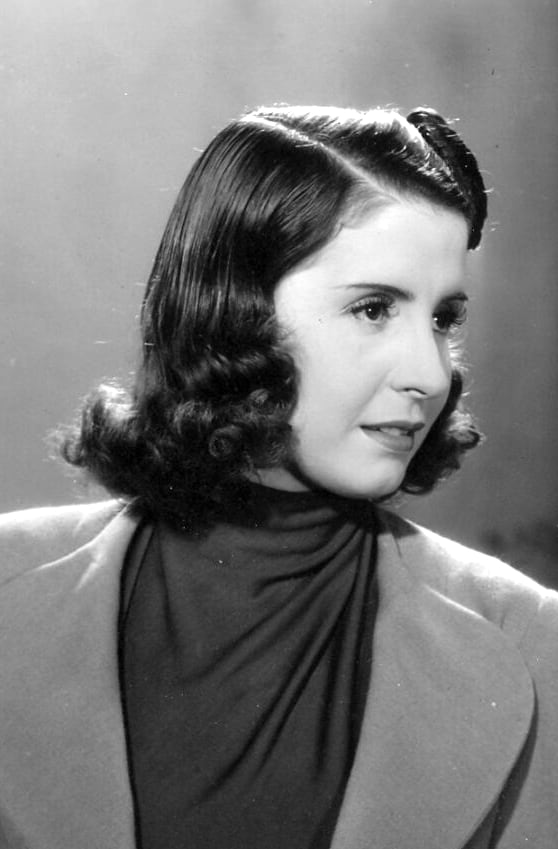
Sabina Olmos: An actress that crossed the paths of the tango
In this article, we’ll explore the life and legacy of the iconic Sabina Olmos, a legendary figure in both the realms of cinema and tango music. From her humble beginnings to her lasting impact on the history of tango, let’s dive into Sabina Olmos’s extraordinary life. Early Years and Musical Odyssey Sabina Olmos, born Rosa … Read more
-
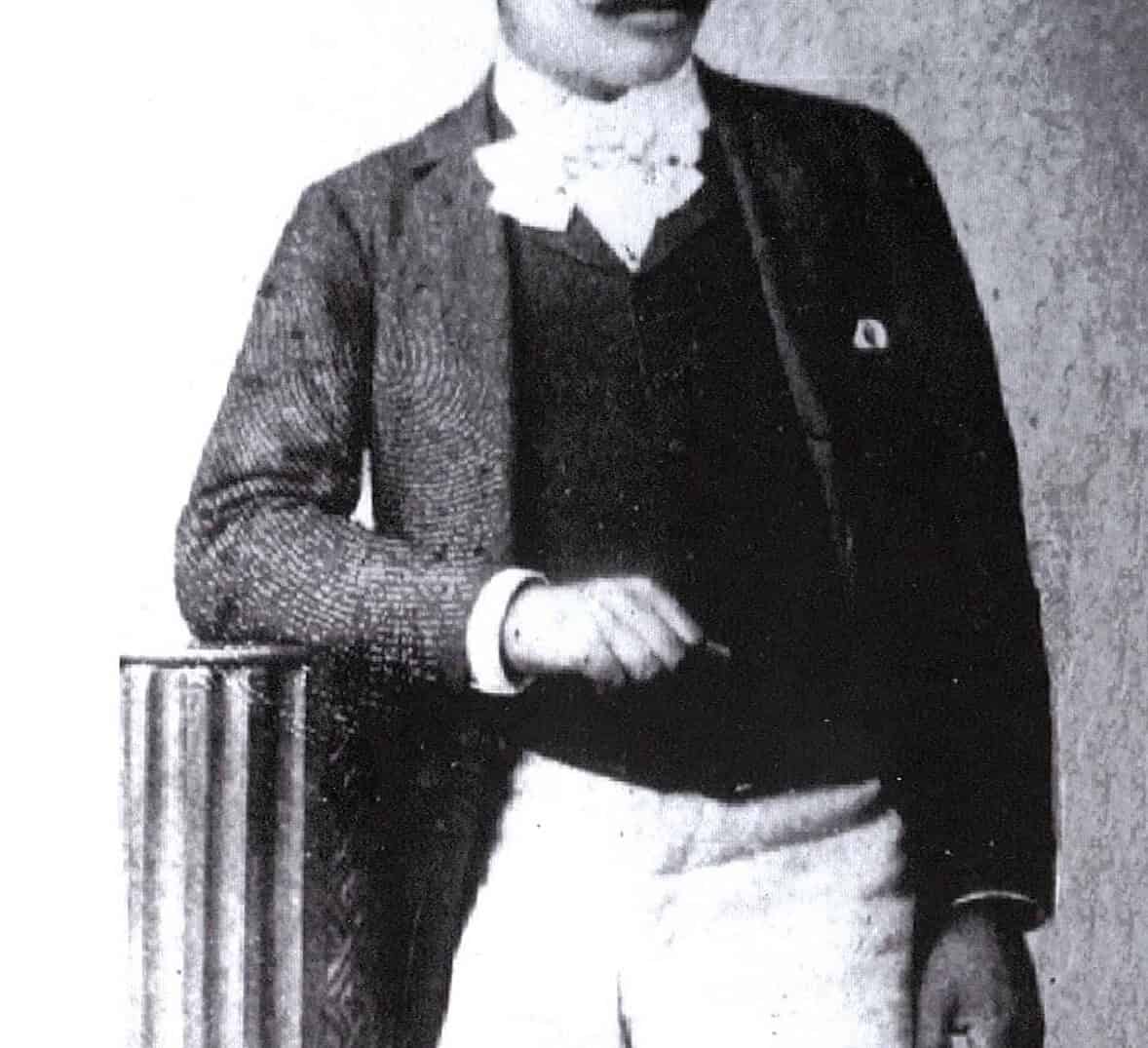
Rosendo Mendizábal: The Afro-Argentine Pianist Who Wrote Tango’s First Sheet Music
7 min read | Best enjoyed with a glass of wine and Guardia Vieja playing Buenos Aires, 1868. A boy is born into an Afro-Argentine family with money—enough money that when he turns seven and inherits it all, he’ll have the world at his feet. His name is Rosendo Mendizábal, and he’s going to write … Read more
-
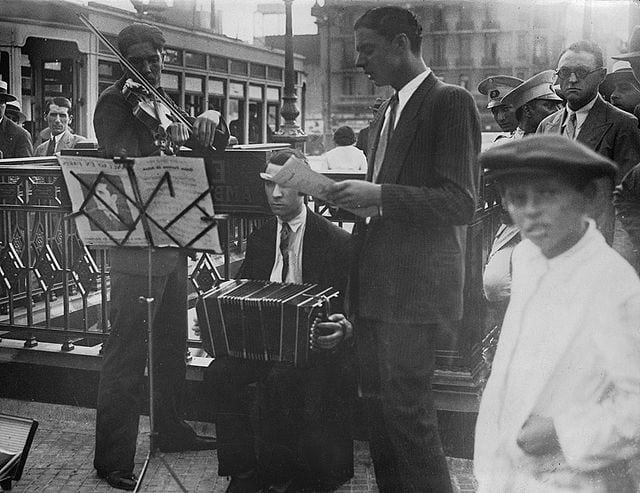
The 1940s in Argentina, Golden Age of Tango
The 1940s in Argentina, often referred to as the “Golden Age,” was a time of significant cultural flourishing, especially for tango music. This era saw an unprecedented integration and popularity of tango in various forms of entertainment and social settings. Radio and Cinema Influence:During this period, the radio played a pivotal role in popularizing tango … Read more
-
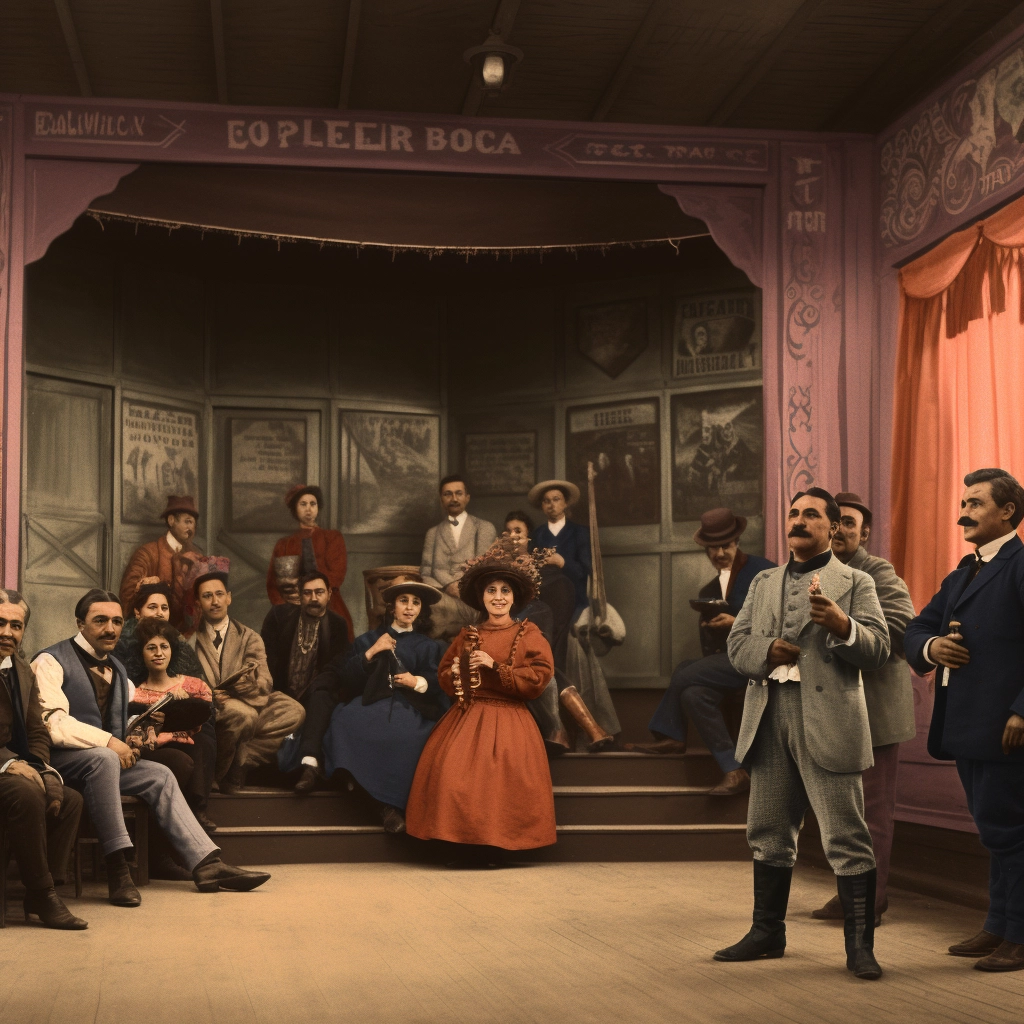
The “Sainete” – Early comedies pave the way to the Tango
The Argentine and Uruguayan theatrical tradition of the early 20th century is marked by two distinct genres: the “sainete criollo” and the “grotesco criollo.” Sainete Criollo:Originating in Argentina and Uruguay, the “sainete criollo” is a unique blend of local styles with the traditional circus houses (“circo criollo”). It is characterized by its depiction of life … Read more