Malena (1941): the story behind Homero Manzi's tango
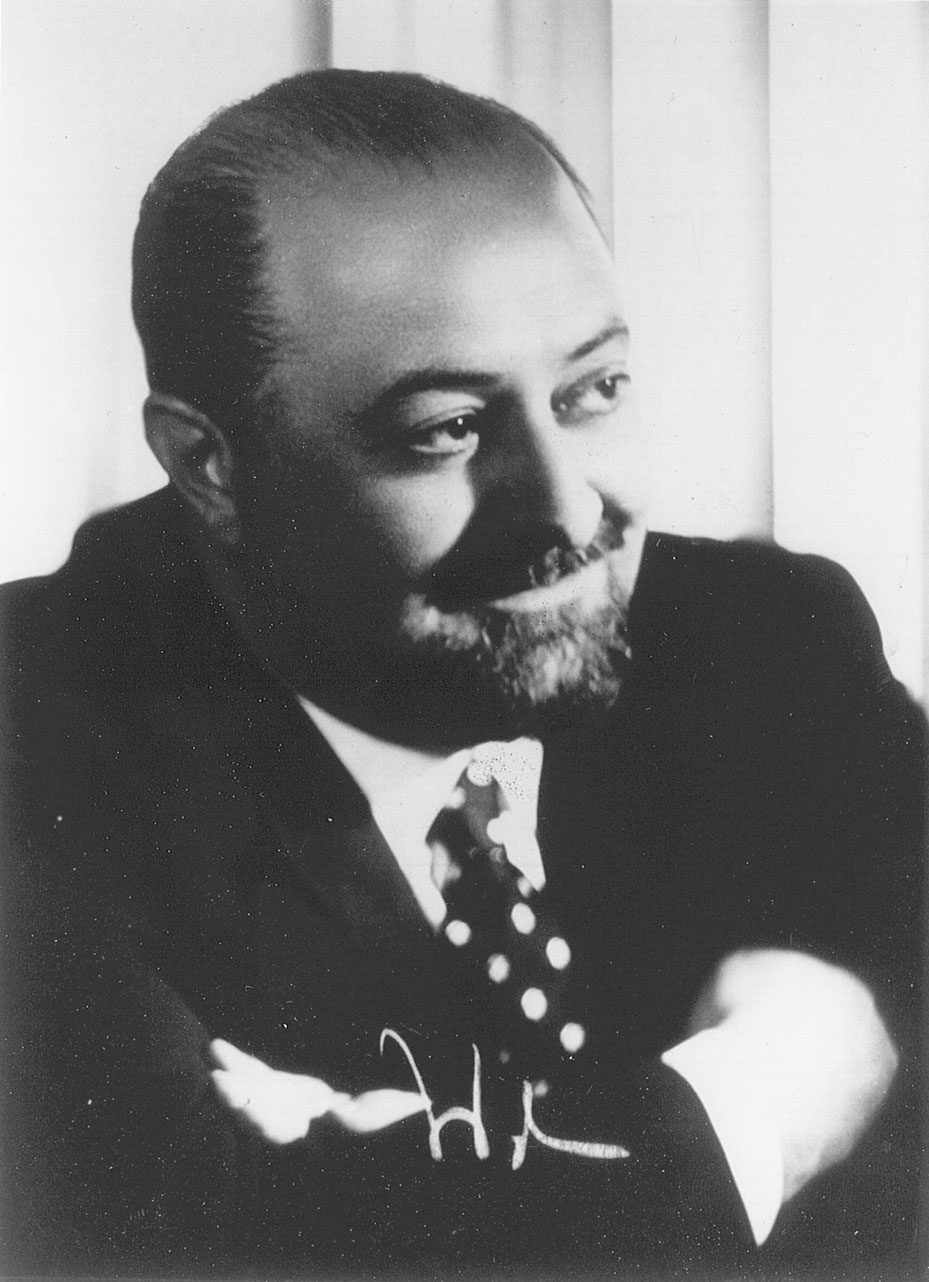
Malena is a tango with lyrics by Homero Manzi and music by Lucio Demare, first performed at the end of 1941. It describes a woman who sings tango “like no one else”, and it became one of the defining songs of the 1940s, the period now called the Golden Age of tango.
Who was Malena?
Manzi never said who the song was about, and several candidates have been put forward:
- Azucena Maizani, because she was one of the first singers to record it.
- A singer Manzi heard while travelling, recorded as Elena Torterolo (spellings vary), who performed under the stage name “Malena”.
- A chorus girl at the Teatro Maipo in Buenos Aires who sometimes sang tangos.
- A tripe seller from the Almagro neighbourhood, who claimed decades later on television that she was the real Malena. Most writers treat this as a curiosity rather than evidence.
None of these has been confirmed. As with Gricel, another Golden Age tango, there may have been a real woman behind the song, but the evidence is anecdotal.
First performances and recordings
Demare’s own orchestra premiered Malena at the Novelty cabaret in Buenos Aires, with Juan Carlos Miranda singing.
The recording that made it famous was by Aníbal Troilo and his orchestra with the singer Francisco Fiorentino, made in early January 1942 for RCA Victor. Two versions of the record circulated in 1942, with a small difference in one line of the first verse. The better-known version is the one most dancers hear today.
Troilo’s Malena is still among the most played versions at milongas. Other notable recordings include those by Lucio Demare himself and, later, by many singers who added it to their repertoire.
Malena in the cinema
The song was used in the film El viejo Hucha (1942, English title The Old Skinflint), directed by Lucas Demare, Lucio’s brother, for Artistas Argentinos Asociados. Manzi co-wrote the script with Ulyses Petit de Murat, adapting a stage play by Carlos Damel and Camilo Darthés; Enrique Muiño, Francisco Petrone and Nuri Montsé played the leads. Critics at the time felt the song was forced into the plot. In the film, the actor Osvaldo Miranda appears to sing it, but the voice is Juan Carlos Miranda’s. The film premiered on 29 April 1942.
Watch: the complete film is on YouTube: El Viejo Hucha (película completa). It was uploaded by a private user, not by a rights holder, so it may disappear. References: IMDb · Wikipedia (es)
Why the song matters
Malena belongs to Manzi’s most productive period, roughly 1941 to 1946, which also produced Sur, Barrio de tango, Fuimos and Mañana zarpa un barco. Its imagery (a voice “with the sorrow of a bandoneon”, a singer shaped by the streets) showed that tango lyrics could use poetic metaphor instead of plain storytelling. Later lyricists such as Homero Expósito and Cátulo Castillo went further in the same direction.
Lyrics
The lyrics of Malena are still under copyright: Lucio Demare died in 1974. The full text is available from licensed lyric services.
Related pages
- Homero Manzi: biography and other tangos
- Aníbal Troilo: the orchestra behind the classic recording
Based on an article by Marinha Villalobos originally published on El Portal del Tango, revised and expanded.