Embracing the Elegance: Aníbal Troilo and the World of Argentine Tango
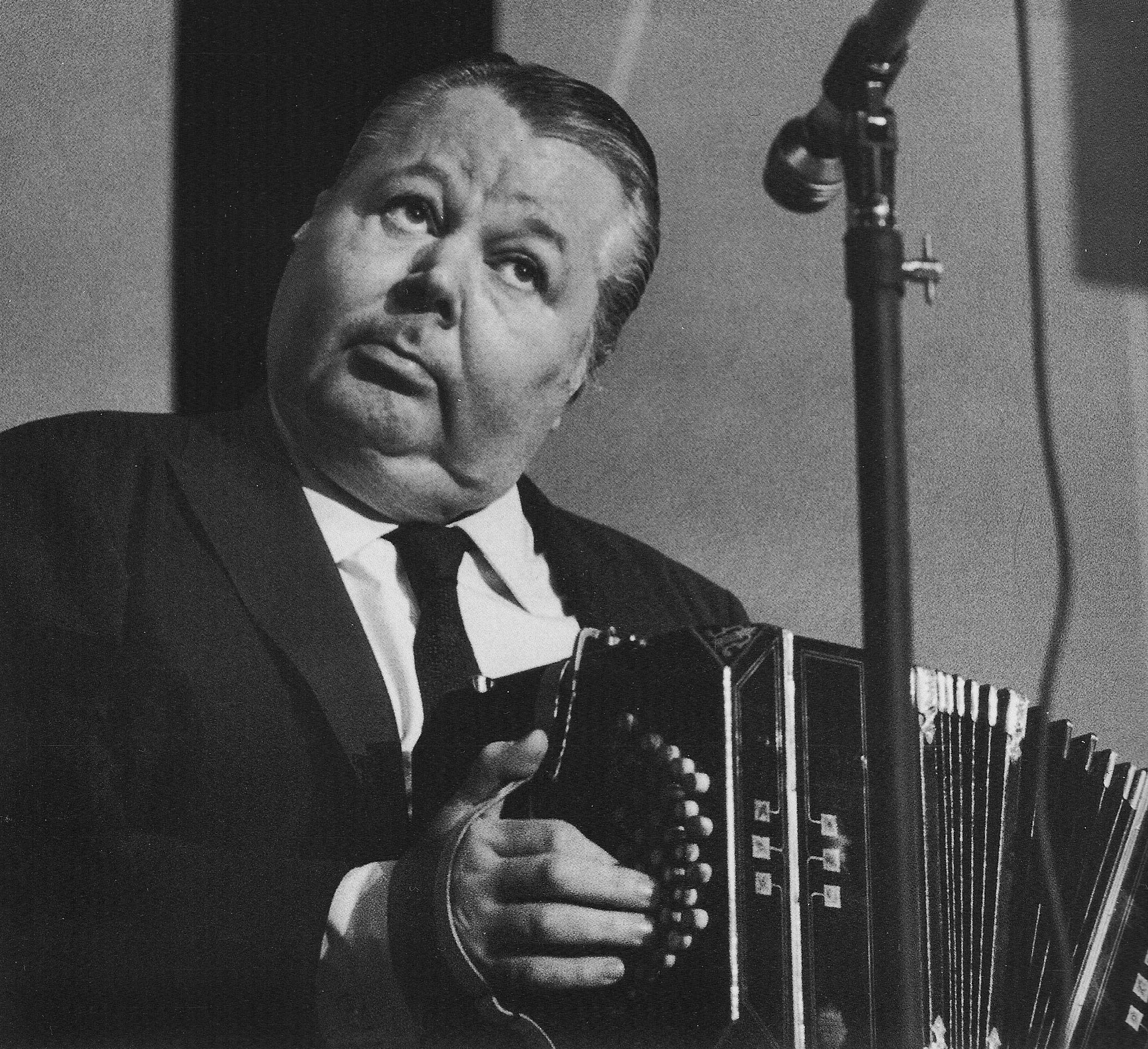
For aficionados of Argentine Tango, but especially for experienced Tango dancers, the name Aníbal Troilo, affectionately nicknamed “Pichuco”, resonates as a maestro of the bandoneón, a composer, and an iconic orchestra leader. As a teacher to Astor Piazzolla and as the careful curator of some of the greatest tango singers, he was a core figure during the golden 1940s and also of the transition to less traditional formats in the 1950s and 1960s.
Table of Contents
Development as a Musician
Aníbal Troilo was born on July 11, 1914, in Buenos Aires. Raised in the Abasto neighborhood, his musical journey commenced at the age of 10 when he convinced his mother to buy him his first bandoneón, a pivotal moment that set the stage for a lifetime immersed in tango. Troilo’s talent bloomed, leading to his first performance at the young age of 11 and the formation of his own quintet at the age of 14.
Aníbal Troilo‘s bandoneón mastery is distinguishable by its recognizable sound. His solos, marked by impeccable phrasing and a unique melodic expression, showcased a delicate yet powerful musicality. As a performer, Troilo’s legacy is not just confined to the orchestra; it extends to his solo performances, leaving an indelible imprint on the world of tango.
Troilo’s contributions extend beyond performance; he was a prolific composer. His compositions, both instrumental and lyrical, are celebrated for their harmonic simplicity and timeless melodies. From the iconic “La trampera” to the poignant “Sur,” Troilo’s compositions continue to resonate in the hearts of tango enthusiasts worldwide.
Orchestral journey
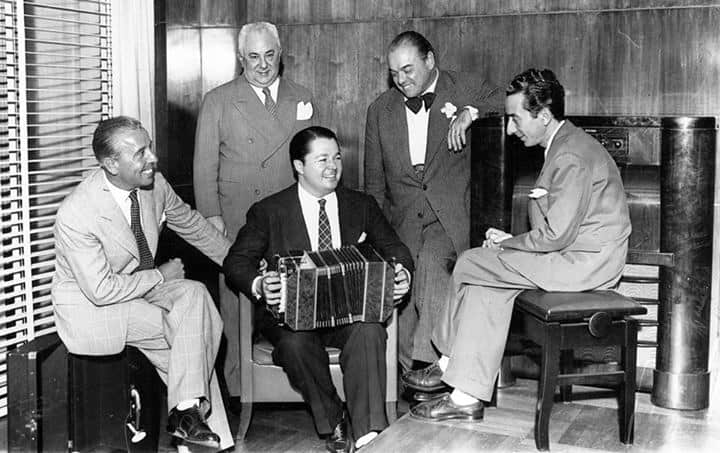
Troilo´s orchestra was a central pillar of the 1940s dance scene and was regularly named as part of the club of the “big 4 orchestras”, next to D´Arienzo, Di Sarli, and Pugliese (according to Michael Lavocah´s categorization).
His balanced, romantic but still very powerful orchestral style, evolved over the years. At the end of the 1930s, the cooperation with soft-voiced singer Francisco Fiorentino produced very up-tempo tangos that are still amongst the most popular in the Milongas today. Their recording of Homero Manzi´s Malena stands out as probably the most popular.
Troilo’s orchestra underwent significant transformations, adapting to the changing tides of tango. From the early years of playing “a la parrilla” to collaborations with arrangers like Astor Piazzolla, the evolution of Troilo’s sound mirrored the dynamic nature of tango itself. The orchestra’s tempo shifted over the years, culminating in a style that embraced both traditional and contemporary elements.
In the following years, singers like the low-voiced Edmundo Rivero or the emblematic Roberto Goyeneche spent a few years with Troilo and left unique recordings for the afterworld, manifesting Troilo´s unique talent to bring out the best in strong singers and eternalize highly personal interpretations.
Groundbreaking and diverse musical partnerships
Troilo´s long-lasting success was not only based on his immense talent, and his dedication to Tango work, but certainly on his skill for discovering talent, forging it, and giving talented artists sufficient room to experiment and find their unique artistic expression.
This allowed him to attract the most talented singers and musicians to his ensemble, but also allowed Troilo to realize when cooperation had reached its peak, and when it was time to allow the partners to go their own ways, but to still stay friends with Troilo.
During the 1930s, The great Astor Piazzolla played bandoneon in Anibal Troilo´s orchestra and matured his already strongly developed talents under Troilo´s guidance. Eventually, Piazzola drifted away from the strict disciplined format of a dance orchestra and left Troilo´s orchestra, but the two bandoneon giants stayed close and full of mutual respect for the others´s artistic trajectory.
Another close collaboration was with tango poet Homero Manzi, who became one of Troilo’s closest friends, and with whom he cowrote songs like Sur, Romance de Barrio, and Barrio de Tango. When Manzi died, he composed the tango “Responso” in Manzi’s memory.
In 1953, Troilo joined forces with guitarist Roberto Grela, creating a dynamic duo that later evolved into the Cuarteto Troilo-Grela. Their collaboration, characterized by the freedom of “a la parrilla” performances, showcased a different facet of Troilo’s artistry, demonstrating his adaptability within the tango genre.
This video shows Anibal Troilo, with an intimate ensemble, accompanying Roberto Goyeneche. Troilo plays with touching sensitivity, and enters into an intimate dialogue with one of his long-time favorite singers, creating a memorable and unique atmosphere.
Legacy and Recognition
Aníbal Troilo’s impact on tango is immeasurable. The Día Nacional del Bandoneón, celebrated on July 11, was established in his honor in 2005. This recognition underscores his enduring influence on the world of tango, immortalizing his contribution to the rich tapestry of Argentine culture.
Top 10 Most Important Tango Songs by Aníbal Troilo
- La Cumparsita
- Recording Year: 1941
- Singer: Alberto Marino
- Details: Originally composed by Gerardo Matos Rodríguez, Troilo’s rendition with Alberto Marino’s vocals adds a unique flavor to this classic tango. Its dramatic and lively rhythm makes it a favorite on dance floors worldwide.
- La Última Curda
- Recording Year: 1956
- Orquesta Típica
- Singer: Edmundo Rivero
- Details: This tango, with Edmundo Rivero’s deep and emotive vocals, explores themes of despair and indulgence. The powerful orchestration and Rivero’s soulful interpretation make it a must-listen.
- Garúa
- Recording Year: 1956
- Orquesta Típica
- Singer: Edmundo Rivero
- Details: A melancholic masterpiece, “Garúa” delves into the somber aspects of life. Edmundo Rivero’s poignant delivery, combined with Troilo’s expressive arrangements, creates an unforgettable atmosphere.
- Barrio de Tango
- Recording Year: 1942
- Orchestra: Aníbal Troilo y su Orquesta Típica
- Singer: Francisco Fiorentino
- Details: Collaborating with Francisco Fiorentino, Troilo presents “Barrio de Tango,” a celebration of the tango culture rooted in the neighborhoods of Buenos Aires. Fiorentino’s vocals perfectly complement the vibrant orchestration.
- Sur
- Recording Year: 1948
- Orchestra: Aníbal Troilo y su Orquesta Típica
- Singer: Edmundo Rivero
- Details: A love letter to Buenos Aires, “Sur” beautifully captures the essence of the city. Edmundo Rivero’s voice, combined with Troilo’s orchestration, paints a vivid picture of the vibrant streets and passionate spirit of the Argentine capital.
- La Trampera
- Recording Year: 1965
- Cuarteto Aníbal Troilo
- Details: As part of the Cuarteto Aníbal Troilo, “La Trampera” showcases Troilo’s ability to adapt and innovate. The instrumental track, rich in dynamics, highlights the mastery of each member of the quartet.
- Romance de Barrio
- Recording Year: 1960
- Orchestra: Aníbal Troilo y su Orquesta Típica
- Singer: Roberto Goyeneche
- Details: Collaborating with the iconic Roberto Goyeneche, Troilo presents “Romance de Barrio.” The track beautifully captures the essence of neighborhood romance, with Goyeneche’s distinctive vocals adding depth and emotion.
- Milonguero Triste
- Recording Year: 1941
- Orchestra: Aníbal Troilo y su Orquesta Típica
- Singer: Francisco Fiorentino
- Details: This tango, with Fiorentino’s expressive vocals, reflects the sorrow and nostalgia often associated with tango. Troilo’s arrangement adds layers of complexity, making it a timeless piece.
- Inspiración
- Recording Year: 1943
- Orchestra: Aníbal Troilo y su Orquesta Típica
- Details: Featuring intricate arrangements, “Inspiración” showcases Troilo’s evolution in orchestration. The track, with its rich instrumental layers, remains a favorite among tango enthusiasts.
- El Último Organito
- Recording Year: 1949
- Orchestra: Aníbal Troilo y su Orquesta Típica
- Singer: Edmundo Rivero
- Details: “El Último Organito” pays homage to the traditional organ grinders of Buenos Aires. Edmundo Rivero’s vocals, coupled with Troilo’s nuanced orchestration, make this piece a captivating journey through the city’s cultural history.
Frequently Asked Questions about Aníbal Troilo
How did Troilo’s orchestra change over time?
Troilo’s orchestra underwent shifts in tempo and arrangements, influenced by various musicians and arrangers. Notably, collaborations with Astor Piazzolla marked a turning point in the orchestra’s sound.
What is “a la parrilla”?
“A la parrilla” refers to playing music without written arrangements, relying on rehearsals rather than sheet music, a common practice in the tango genre.
What is the significance of Día Nacional del Bandoneón?
Established in 2005, Día Nacional del Bandoneón on July 11 honors the birth of Aníbal Troilo, celebrating the cultural importance of the bandoneón in Argentine tango.
Notable Sources
- “Troilo y sus cantores” by Gabriela A. Biondo and José A. L. Valle
- Zita, la mujer de Aníbal Troilo
- Clarín – Murió Zita, la inseparable compañera de Aníbal Troilo
- El Día del Bandoneón