Unveiling the Timeless Tango Legacy of Tania
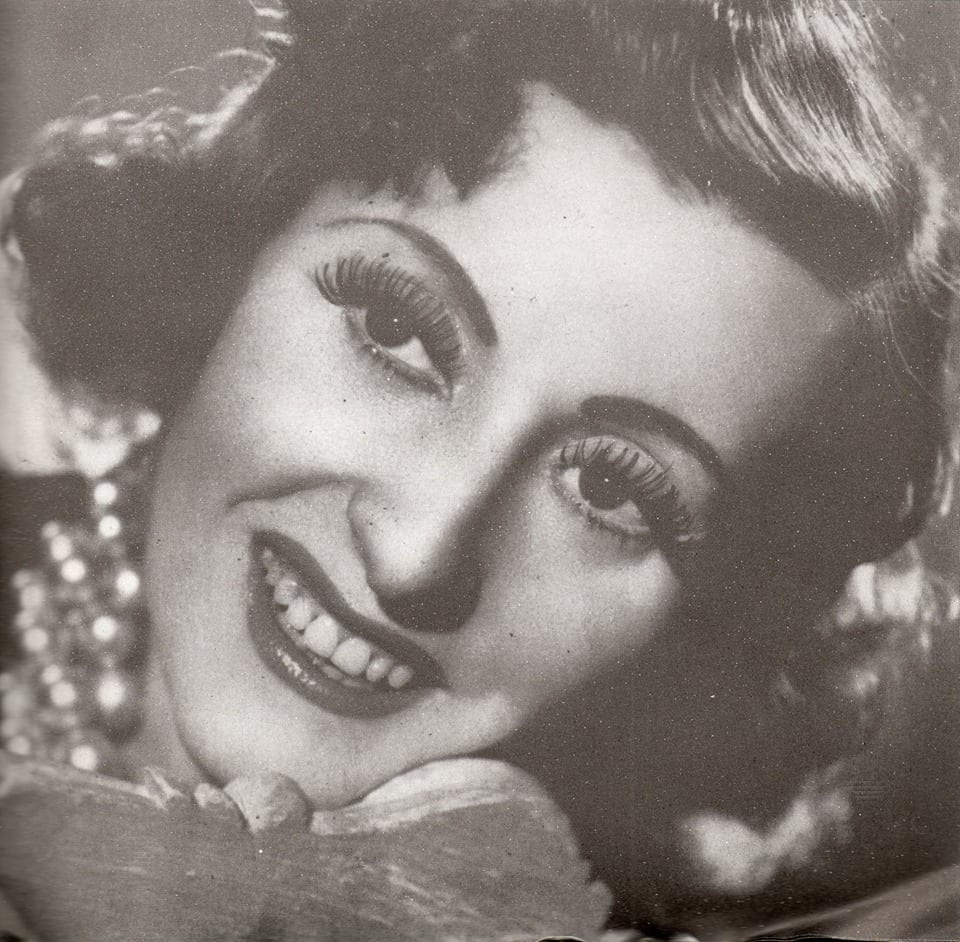
Tania, an accomplished artist of her own standing, will always be remembered as part of a famous artistic Tango couple that she and Enrique Discepolo formed, who helped shape the art form during a turbulent period. Let´s delve into her captivating journey and explore her life, career, and her impact on the world of Argentine Tango.
A Journey from Toledo to Buenos Aires
Tania was born on October 13, 1908, in Toledo, Spain also known as Ana Luciano Divis. Her artistic journey began with small theater performances in Valencia. At 18, she ventured across Spain with her variety company, “La Lucianito,” eventually joining the Troupe Ibérica of Raquel Meller and making her mark in Spani, France and then crossing over the Atlantic and making it to Brazil, Uruguay, and finally Argentina.
While performing in Buenos Aires cabarets, Tania’s life took a turn when in 1928 she crossed paths with composer Enrique Santos Discépolo, sparking a profound connection. Under his direction, she became a leading figure in theater and cinema, showcasing her talent in productions like “WunderBar” and “Winter Garden.”
Tania’s voice resonated in renowned venues like the Teatro Casino and Folies Bergère. Tania’s versatility extended to the silver screen, with roles in films like “El pobre Pérez” (1937), “Cuatro corazones” (1939), and “Caprichosa y millonaria” (1940).
Personal Life and Connection with Discépolo
Discépolo, often seen as melancholic, found solace in Tania’s company. Despite the challenges, their bond endured, shaping the narrative of iconic tangos like “Sin palabras” and “Uno.” Tania’s insights into Discépolo’s sensitive nature shed light on the man behind the legendary composer.
Her partnership with Discépolo led to her first recording in 1930 with the orchestra of Osvaldo Fresedo, marking the beginning of her significant discography.
Post-Discépolo Era: A Tango Icon’s Continued Legacy
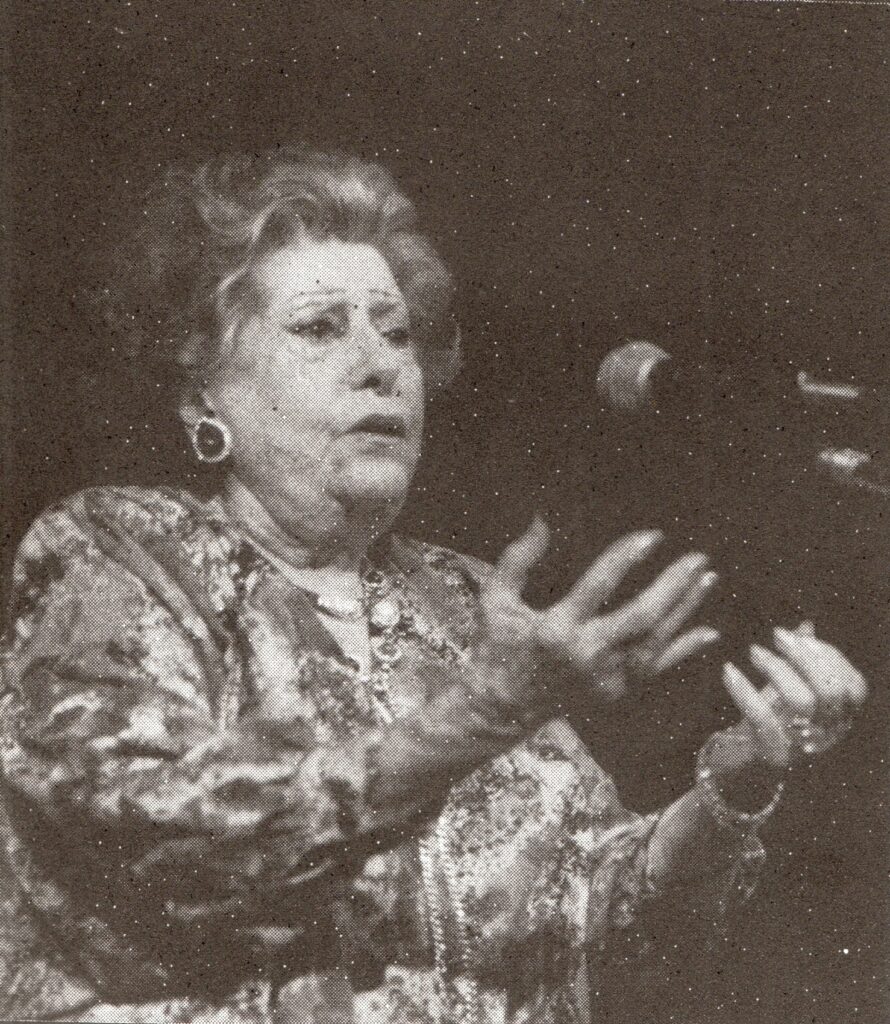
After Discépolo’s passing, Tania’s solo career soared. International tours in the 1950s, a return to Buenos Aires, and the establishment of her own tango venue, “Cambalache,” showcased her enduring passion for the art form.
Tania’s literary venture, “Discepolín y yo” (1973), provided a unique perspective on her life with Discépolo. Her later years were marked by sporadic performances, television appearances, and theatrical endeavors, earning her accolades and admiration.
10 Most Important Tango Songs by Tania
- “Sentencia” (1930)
- Recording Year: 1930
- Orchestra: Osvaldo Fresedo
- Details: A hauntingly beautiful tango that showcases Tania’s early mastery of the genre.
- “A la luz de un candil” (1930)
- Recording Year: 1930
- Orchestra: Osvaldo Fresedo
- Details: This tango reflects Tania’s evocative storytelling through music.
- “Fumando espero” (1930s)
- Recording Year: 1930s
- Orchestra: (Not specified)
- Details: Tania’s rendition adds a unique charm to this classic tango, making it a timeless favorite.
- “Uno” (1940)
- Recording Year: 1940
- Orchestra: (Not specified)
- Details: A masterpiece that emerged from the collaboration between Tania and Discépolo, “Uno” remains an iconic tango.
- “Yira, yira” (1930s)
- Recording Year: 1930s
- Orchestra: (Not specified)
- Details: Tania’s interpretation adds depth to the poignant lyrics of this tango.
- “Confesión” (1931)
- Recording Year: 1931
- Orchestra: Osvaldo Fresedo
- Details: A soulful rendition that captures the essence of confession and longing.
- “Garúa” (1950)
- Recording Year: 1950
- Orchestra: (Not specified)
- Details: Tania’s emotive delivery brings out the melancholy in this classic tango.
- “Chorra” (1930s)
- Recording Year: 1930s
- Orchestra: (Not specified)
- Details: Tania’s interpretation adds a touch of rebellion to this tango.
- “Tiempos viejos” (1930s)
- Recording Year: 1930s
- Orchestra: (Not specified)
- Details: A nostalgic journey through time, enriched by Tania’s expressive vocals.
- “Bajo mi luna” (1931)
- Recording Year: 1931
- Orchestra: Osvaldo Fresedo
- Details: Tania’s rendition adds a layer of romance to this tango, making it a timeless classic.
Frequently Asked Questions about Tania’s Impact on Tango
What role did Tania play in the evolution of tango music?
Tania’s influence on tango music is immeasurable. Her collaborations with renowned orchestras and composers, especially with Enrique Santos Discépolo, contributed to the evolution of tango into a sophisticated and expressive art form.
Are there any unreleased or rare recordings of Tania’s tango performances?
While some rare recordings may exist, the majority of Tania’s tango performances are well-documented. Collectors and enthusiasts continue to explore archives in search of hidden gems from her illustrious career.
How did Tania navigate the challenges of being a female artist in the tango scene?
Tania faced the challenges of being a female artist in a male-dominated tango scene with resilience and talent. Her contributions paved the way for future generations of female artists in the genre.
Notable Sources
- Ferrer, Horacio. “El libro del tango.”