Osvaldo Ribó: A great singer of Orquesta Típica Tanturi
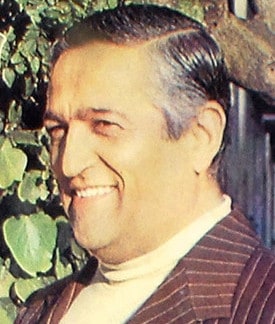
Osvaldo Ribó s one of the less well-know singers of the Orchestra Ricardo Tanturi. While the early singers Enrique Campos and most of all Alberto Castillo are household names among Tango enthusiasts, Ribó is a real discovery.
Biography: The Early Years of Tango Awakening
Born as Andrés Bartolomé Osuna in Victoria, Osvaldo Ribó discovered his love for music and singing at a young age. Raised in a town unfamiliar with tango, his fascination with the genre began when he encountered the lyrics of a tango in a newspaper at the age of seven. This ignited a spark that would eventually lead him to the vibrant tango scene in Buenos Aires.
Ribó’s musical journey took shape during his adolescence in Rosario, where his talent caught the ear of the school director. Encouraged to pursue his passion, he joined a choir and later debuted as a tango singer on a radio show. The path to stardom had begun.
1940s-1950s: Tango Debut and Artistic Evolution
In 1943, at the age of 16, Ribó arrived in Buenos Aires, marking the beginning of a remarkable career. His first notable singing engagement was with Alfredo Gobbi.
His breakthrough came in 1946 when he debuted with the orchestra of Ricardo Tanturi, replacing Enrique Campos, adopting the stage name “Osvaldo Ribó.” Over the next four years, Ribó contributed to such beautiful recordings as “Alma de Bohemio” and “Remembranza.”
His musical journey continued as he collaborated with various orchestras, including Lorenzo Barbero’s and Ángel Domínguez’s. In 1954, he recorded two tangos that remain timeless classics: “Noche de locura” and “No quiero verte llorar.”
1960s Onward
The 1960s saw Ribó’s collaboration with renowned bandoneonist Ángel Domínguez and later with Mariano Mores. Despite a challenging period, Ribó persisted, leaving his mark not only in music but also in television. His solo career flourished with numerous recordings, including a notable collaboration with guitarist Roberto Grela in 1978.
It is remarkable how Ribó, even with a small ensemble in the video below (with a very atypical electric bass), sings with elegance and a smooth beat for dancers. While many other singers departed from the 1940s singing tradition and claimed the spotlight as interpreters of a “Tango Canción”, Ribó seems still in the tradition of serving the dancers with his accompaniment.
Personal Life and Legacy
Ribó’s personal life, marked by a brief marriage to Joy Alma Hussey, resulted in two children, Olivia and Andrés. His daughter, Olivia Hussey, achieved fame in her own right, starring in the iconic film “Romeo and Juliet.”
In 2008, a tribute at the Café Tortoni honored Ribó’s contributions to tango. His final years were spent in Núñez, and he left a lasting impact on the world of Argentine Tango until his passing on April 19, 2015.
Top 10 Most Important Tango Songs by Osvaldo Ribó
- Papel Picado
- Details: A timeless tango by Cátulo Castillo and José González Castillo, “Papel Picado” is celebrated for its emotive melody and enduring popularity, making it a must-play at milonga dance events.
- Shusheta
- Details: Composed by Juan Carlos Cobián and Enrique Cadícamo, “Shusheta” is known for its rhythmic intricacies and romantic undertones, captivating dancers with its enchanting charm.
- Tormento
- Details: A tango masterpiece by Charlo and Amadori, “Tormento” remains a staple in tango playlists, evoking a range of emotions on the dance floor with its poignant lyrics and evocative melody.
- Se Llama Mujer
- Details: Crafted by José Rial, “Se Llama Mujer” celebrates the essence of womanhood, embraced for its poetic lyrics and melodic charm, offering a beautiful experience for tango enthusiasts.
- Seguime Corazón
- Details: A tango by Baldomero Suárez and Jesús Fernández Blanco, “Seguime Corazón” enchants dancers with its passionate rhythm and lyrical depth, creating a captivating atmosphere on the dance floor.
- Milonga Que Peina Canas
- Details: Alberto Gómez’s composition, “Milonga Que Peina Canas,” adds a lively touch to tango events, inviting dancers to revel in its spirited beats and vibrant energy.
- A Una Mujer
- Details: Hailing from the collaboration of Horacio Salgán and Carmelo Volpe, “A Una Mujer” is a heartfelt vals that continues to resonate with tango aficionados, known for its emotional depth and beautiful melodies.
- Equipaje
- Details: A tango by Héctor María Artola and Carlos Bahr, “Equipaje” captivates with its rich orchestration and evocative storytelling, securing its place as a cherished piece in the tango repertoire.
- Guitarra Mayor
- Details: Composed by Osvaldo Ribó himself, “Guitarra Mayor” stands out as a unique creation, showcasing Ribó’s versatility and contribution to the tango genre.
- Bohardilla
- Details: A tango by Arturo Blasi and Horacio Sanguinetti, “Bohardilla” adds a touch of mystery and intrigue to tango playlists, with its captivating melody and danceable rhythm.
FAQ Section: Unveiling the Mysteries of Osvaldo Ribó’s Tango Journey
What inspired Osvaldo Ribó to pursue a career in tango?
Ribó’s love for tango was ignited by the poignant lyrics of a tango he encountered at the age of seven.
How did Ribó choose his stage name?
Selected through a radio contest, “Osvaldo Ribó” emerged as the chosen pseudonym, marking the beginning of a legendary career.
What were Ribó’s most significant contributions to Argentine Tango?
Ribó’s collaborations with orchestras like Ricardo Tanturi’s and his timeless hits, including “Papel picado,” remain pivotal in the history of tango.