Unveiling the Enchanting Journey of María Graña: “La Reina del Tango”
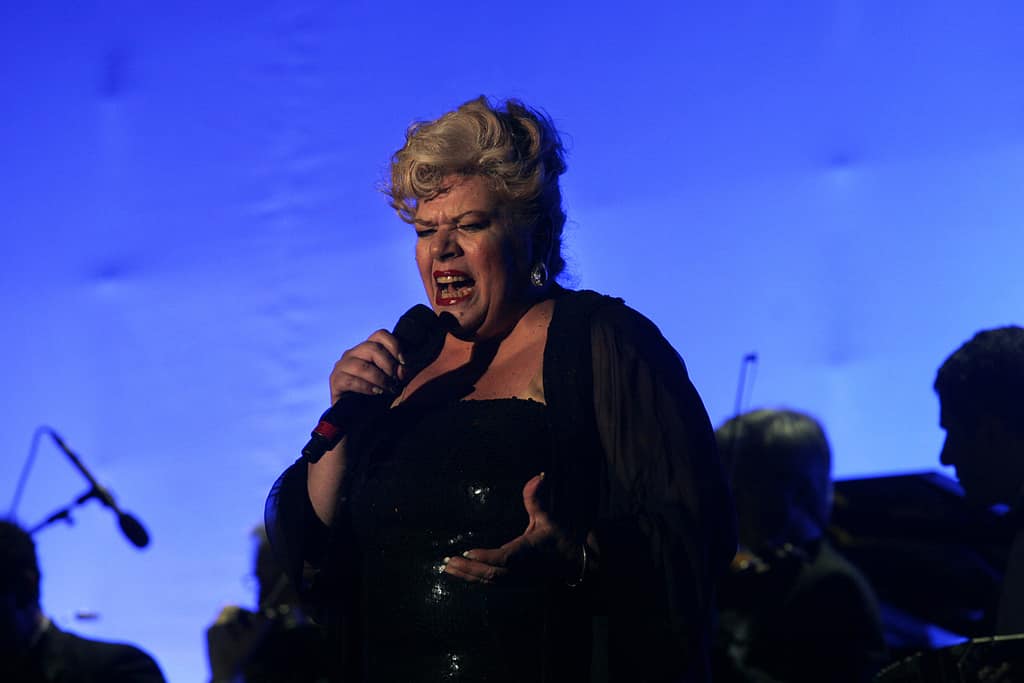
Table of Contents
Born on June 16, 1953, in Buenos Aires, Argentina, María Graña has etched her name as one of the most significant female singers in the history of tango. With a career spanning over five decades, she has released nine studio albums, clinched three Carlos Gardel awards, and won three Konex awards.
Musical career
Maria was born in the Villa Urquiza neighborhood of Buenos Aires. Raised in a family deeply connected to the world of tango, her father, Carlos Graña, was a tango singer and a pivotal influence on her artistic path. Maria’s affinity for singing manifested early, and at the age of 12, she embarked on formal vocal training under the guidance of Professor Elvira Aquilano.
In 1970, María stepped into the spotlight by winning the first prize in the “Canta el Pueblo” contest with her rendition of “La Canción de Buenos Aires.” Her breakthrough moment came with the release of the album “Los de siempre,” where she captured audiences with “Y nunca más tu amor.” In 1973, Osvaldo Pugliese invited her to join his Gran Orchestra Típico.
Being invited by one of the great masters of danceable tangos of the 1940s and 1950s marked an important step in her career. It took her from the format of “Tango Canción” to a format closer to the esthetics of the classic era of tango and also allowed her to venture into a domain that was often dominated by male singers.
The 1980s witnessed Graña’s ascendancy to international acclaim. Her participation in the revolutionary production “Tango Argentino” at Teatro Chatelet in Paris solidified her status as a tango luminary. The New York Times hailed her as “La Judy Garland del tango,” and her performances across Europe and North America further amplified her global presence.
This video shows her on the show “Grandes Valores del Tango” (internal LINK) in 1987.
As the tango landscape evolved, María Graña navigated the ’90s with resilience and innovation. Collaborations with renowned artists and the release of albums like “María” (1995) and “Gardel × María Graña” (1997) underscored her enduring influence. Her participation in international events, including Carnegie Hall in 2000, reflected her unwavering commitment to the art form.
Recent Years: 2010s
The past decade has witnessed Graña’s continued dedication to tango. Engaging in various performances, releases, and special projects, she celebrated her four-decade musical journey with the show “40 años con la música” in 2015. Recognition at the “Premios Magazine” in 2016 and collaborations with Esteban Morgado and Pablo Estigarribia highlight her ongoing impact.
Top 10 Most Important Tango Songs by María Graña
- “Caserón de tejas”
- Recording Year: 1982
- Orchestra: Not specified
- Description: This iconic piece from the album “Nivel internacional” has a captivating melody and emotional depth, making it a timeless favorite in milonga dance events.
- “Y nunca más tu amor”
- Recording Year: 1970
- Orchestra: Not specified
- Description: A breakthrough tango from “Los de siempre,” María Graña’s rendition of this composition showcases her unique style and vocal brilliance, earning it lasting popularity.
- “El día que me quieras”
- Recording Year: 1984
- Orchestra: Not specified
- Description: Featured in the album “Distinta,” María Graña’s interpretation of this classic tango reflects her ability to infuse traditional pieces with a fresh and emotive energy.
- “La flor de la canela”
- Recording Year: Not specified
- Orchestra: Not specified
- Description: A beautiful rendition of this Peruvian waltz, known for its poetic lyrics, has become a staple in María Graña’s repertoire, resonating with tango enthusiasts around the world.
- “La noche que te fuiste”
- Recording Year: 1984
- Orchestra: Not specified
- Description: From the album “Distinta,” this tango showcases María Graña’s ability to convey the melancholic essence of tango, making it a cherished piece among dancers.
- “Cornetín”
- Recording Year: 1984
- Orchestra: Not specified
- Description: Another gem from the “Distinta” album, “Cornetín” stands out for its lively tempo and rich musical arrangement, adding a vibrant touch to tango dance events.
- “Canción desesperada”
- Recording Year: Not specified
- Orchestra: Not specified
- Description: Featured in the album “La Gran Tanguista,” this tango reflects María Graña’s ability to convey profound emotions through her soulful voice, creating a powerful connection with the audience.
- “Garras”
- Recording Year: Not specified
- Orchestra: Not specified
- Description: Another notable piece from “La Gran Tanguista,” “Garras” showcases María Graña’s versatility in interpreting tango across different emotional landscapes, earning it admiration from dancers worldwide.
- “Flor de lino” (Vals)
- Recording Year: Not specified
- Orchestra: Not specified
- Description: The waltz “Flor de lino” from “La Gran Tanguista” is characterized by its graceful melody, and María Graña’s rendition adds a touch of elegance, making it a beloved choice in tango dance events.
- “Cualquiera de estas noches”
- Recording Year: 2007
- Orchestra: Not specified
- Description: The title track from the album “Cualquiera de estas noches” showcases María Graña’s enduring passion for tango, with its evocative lyrics and enchanting melody, making it a contemporary favorite among dancers.
These songs, spanning different eras of her career, continue to enchant tango enthusiasts, providing a rich and diverse soundtrack for milonga dance events worldwide.
Frequently Asked Questions about María Graña
What are Marías notable achievements?
María has received three Carlos Gardel awards and three Konex awards. She is renowned for her captivating performances and has been a key figure in popularizing tango internationally.
What are some of Graña’s most famous albums?
Graña has released several notable albums, including “La Gran Tanguista” (1975), “Nivel Internacional” (1982), “Distinta” (1984), “María” (1995), and “Cualquiera de estas noches” (2007).
Has María Graña received any international recognition?
Yes, she gained international acclaim as part of the original cast of “Tango Argentino,” a landmark tango show directed by Claudio Segovia and Héctor Orezzoli. The New York Times referred to her as “La Judy Garland del tango.”
How did she contribute to the documentary “Abrazos, tango en Buenos Aires”?
María Graña had a special participation in the documentary “Abrazos, tango en Buenos Aires,” which was supported by the Government of the City of Buenos Aires and released in 2003.
Did María receive any awards for her contributions to tango?
Yes, Graña received the Premio Gardel award for the “best female tango artist album” for her work in “Gardel × María Graña” in 1997 and “Cualquiera de estas noches” in 2007.