Tango Maestro Juan Félix Maglio “Pacho”: A Journey through Time
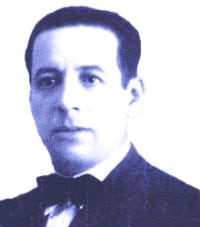
Argentine tango composer, bandoneonist, and orchestra director, Juan Félix Maglio, affectionately known as Pacho, was born on November 18, 1880, in Buenos Aires, departing on July 14, 1934.
Early Years of Pacho
Pacho’s musical journey commenced in his childhood, as he familiarized himself with the bandoneon played by his father. His early studies with renowned musicians such as “El Negro Cototo” and Domingo Santa Cruz laid the foundation for his remarkable career.
Pacho’s Musical Career Unveiled
Pacho’s debut in 1899 marked the beginning of a stellar career. From forming trios to establishing the “Orquesta Típica Criolla Juan Maglio Pacho,” his musical journey resonated in iconic venues like La Paloma, Garibotto, and Ambos Mundos. The success of his recordings on the Columbia label catapulted him to stardom.
Despite initial success, Pacho faced economic hardships and ventured to Montevideo in 1914, where he gained popularity. Returning to Buenos Aires, he continued to have success at renowned venues and even ventured into the world of Paraguayan music in the 1930s.
Pacho’s discography boasts nearly 900 instrumental pieces, securing his place as a legendary figure in Argentine Tango. The anecdote that people would ask for “un pacho” when purchasing a record reflects his unparalleled popularity.
Pacho’s Compositions
From his debut tango, “El zurdo,” in 1908 to later compositions like “Sábado inglés” and “La chacarera,” Pacho’s repertoire encapsulates the evolution of Tango, from its early forms to the tango-canción era.
Highlighted compositions include “Armenonville,” “Ca-ra-ca-fú,” “La Guardia Vieja,” and the mesmerizing vals “Orillas del Plata.” Each piece contributes to the rich tapestry of Argentine Tango.
Many of his compositions were rediscovered when Juan d´Arienzo started to give them fresh musical arrangements, adding rhythmical variations, and making them often heard in today´s milongas.
Top 10 Most Important Tango Songs of Juan Félix Maglio
1. “Armenonville”
- Recording Year: 1910
- Orchestra: Orquesta Típica Criolla Juan Maglio Pacho
- Singer: (Instrumental)
- Details: A timeless piece capturing the essence of the Guardia Vieja era, “Armenonville” remains a cherished choice for tango dancers with its spirited melody.
2. “Sábado inglés”
- Recording Year: (Not specified)
- Orchestra: Orquesta Típica Criolla Juan Maglio Pacho
- Singer: (Instrumental)
- Details: The allure of “Sábado inglés” lies in its evocative composition, drawing dancers into the romantic atmosphere of a Saturday evening.
3. “La Guardia Vieja”
- Recording Year: (Not specified)
- Orchestra: Orquesta Típica Criolla Juan Maglio Pacho
- Singer: (Instrumental)
- Details: A masterpiece from the Guardia Vieja era, this tango encapsulates the raw and passionate energy of early tango, making it a perennial favorite.
4. “Orillas del Plata (Vals)”
- Recording Year: (Not specified)
- Orchestra: Orquesta Típica Criolla Juan Maglio Pacho
- Singer: (Instrumental)
- Details: With its enchanting waltz rhythm, “Orillas del Plata” continues to grace milongas, creating a dreamy ambiance on the dance floor.
5. “Llegué a ladrón por amarte”
- Recording Year: (Not specified)
- Orchestra: (Not specified)
- Singer: (Not specified)
- Details: A poignant tango-canción, this composition showcases Pacho’s versatility, blending emotion and rhythm in a seamless danceable melody.
6. “La chacarera”
- Recording Year: (Not specified)
- Orchestra: (Not specified)
- Singer: (Not specified)
- Details: Collaborating with fellow musicians, Pacho created “La chacarera,” a vibrant piece that adds a dynamic flair to tango events.
7. “Tango Argentino”
- Recording Year: (Not specified)
- Orchestra: (Not specified)
- Singer: (Not specified)
- Details: Pacho’s exploration into the tango-canción genre resulted in “Tango Argentino,” a composition that beautifully merges traditional tango with lyrical depth.
8. “A media noche”
- Recording Year: (Not specified)
- Orchestra: (Not specified)
- Singer: (Not specified)
- Details: Collaborating with Enrique Dizeo, Pacho created “A media noche,” a nocturnal masterpiece that resonates with the mystery of late-night tango.
9. “Copen la banca”
- Recording Year: (Not specified)
- Orchestra: (Not specified)
- Singer: (Not specified)
- Details: Another collaboration with Enrique Dizeo, “Copen la banca” showcases Pacho’s ability to infuse tango with narratives, creating a compelling dance experience.
10. “El curdela”
- Recording Year: (Not specified)
- Orchestra: (Not specified)
- Singer: (Not specified)
- Details: “El curdela,” a collaboration with Jorge Luque Lobos, adds a touch of nostalgia to the dance floor, making it a cherished piece among tango aficionados.
These compositions not only highlight Pacho’s musical prowess but also stand as enduring classics in the world of Argentine Tango, still embraced by dancers in milongas around the globe.
Frequently Asked Questions about Juan Félix Maglio
What inspired Pacho’s unique style?
Juan Felix Maglio distinctive style was influenced by his early exposure to the bandoneon, coupled with formal music education under mentors like “El Negro Cototo” and Domingo Santa Cruz. This blend of traditional roots and structured learning shaped his innovative approach to tango.
How did Pacho’s compositions evolve over time?
Pacho’s compositions mirrored the evolution of Argentine Tango. From his early tangos like “El zurdo” in 1908 to later tango-canción pieces such as “Llegué a ladrón por amarte,” he showcased adaptability and artistic growth, contributing to the genre’s rich tapestry.
What challenges did Pacho face in his career?
Despite initial success, Pacho encountered economic challenges, leading to a venture to Montevideo in 1914. His resilience and subsequent return to Buenos Aires, along with ventures into Paraguayan music, highlight the dynamic journey of his career.
What is the significance of “un pacho” in tango folklore?
The anecdote that people would ask for “un pacho” when purchasing a record is a testament to Pacho’s immense popularity. While the veracity may be debated, it symbolizes the recognition and affection with which his music was regarded.
How did Pacho contribute to the tango-canción era?
Pacho’s later works, including collaborations like “La chacarera” and “Tango Argentino,” exemplify his transition into the tango-canción era. These compositions blended traditional tango with lyrical depth, contributing to the genre’s evolution.
Notable Sources
- Russo, Juan Angel (2000). Letras de tango II. Buenos Aires: Basilico S.R.L. ISBN 987-95650-9-6.
- Gobello, José (2002). Mujeres y hombres que hicieron el tango. Buenos Aires: Centro Editor de Cultura Argentina. p. 63. ISBN 950-898-081-8.
- Benedetti, Héctor Ángel. Juan Maglio “Pacho”: la serie TX. Link (Accessed on July 20, 2008).
- Selles, Roberto. Tangos y leyendas. La historia del tango Armenonville. Link (Accessed on July 20, 2008).
- Fontevecchia, Alberto (1980). Juan “Pacho” Maglio. Un legado fundamental. Tango 1880-1980 un siglo de historia n* 12. Buenos Aires: Editorial Perfil S.A. p. 45.