Carlos Di Sarli: The Maestro Behind the Tango Magic
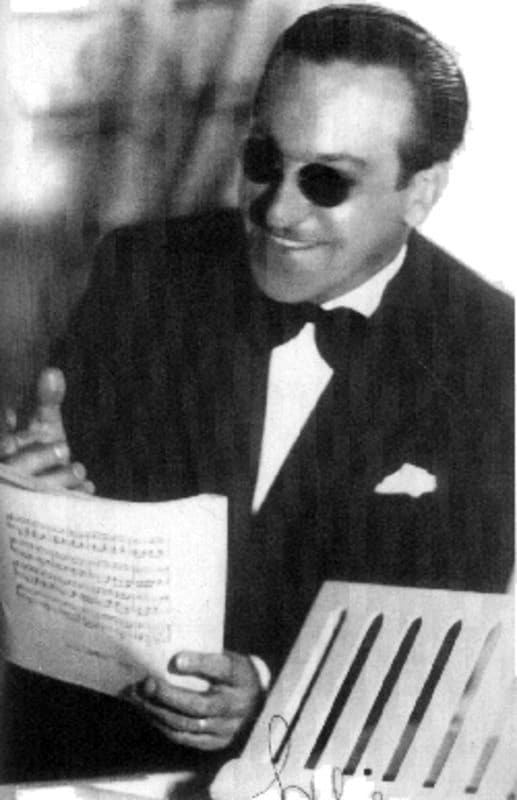
Born on January 7, 1903, in Bahía Blanca, Argentina, and departing on January 12, 1960, Di Sarli is considered one the key orchestra leaders of the golden age of Tango. There are few milongas that do not have at least one Di Sarli tanda, at many milongas you will hear more than 3 or 4 Di Sarli recordings per night.
He is often referred to as “El Señor del Tango” (The Lord of Tango).
Early Years: From Bahía Blanca to Buenos Aires
Di Sarli’s journey into the world of tango began in Bahía Blanca, where music was a family affair. Raised in a household resonating with melodies, he embarked on his musical education at the Colegio Don Bosco, before moving to Buenos Aires as a young musician
Di Sarli’s Evolution as a Musician
At the age of 13, Di Sarli joined a zarzuela company, touring various provinces and incorporating popular music, including tangos.
In his formative years, Di Sarli played piano in cinemas and cafes, showcasing his classical piano skills. His reputation as a talented musician led him to collaborate with notable figures in the Buenos Aires music scene.
In 1927, Di Sarli debuted with his sextet at Café Guarany, impressing audiences with his unique style. This marked the beginning of a prolific era, with numerous recordings and performances on Radio Culture.
Under the guidance of influential musicians like Anselmo Aieta and Osvaldo Fresedo, Carlos Di Sarli‘s orchestra became a force to be reckoned with. His collaboration with renowned vocalists and instrumentalists solidified his position in the tango scene.
Di Sarli´s Singers
Carlos di Sarli, an emblematic figure in the history of Tango, was renowned for his distinctive smooth, clean, and rhythmic style that was both danceable and listenable. His orchestra is often considered one of the ‘big four’ orchestras of tango’s golden age. The singers who passed through his orchestra were some of the genre’s most celebrated, and each left a unique imprint on the tango landscape. Here are some of the most important singers who collaborated with Di Sarli:
Roberto Rufino:
- Tenure with Di Sarli: He sang with Di Sarli in two periods, first from 1939 to 1942 and again later.
- Important Songs: Some of his most notable recordings with Di Sarli include “Corazón” and “Nido gaucho”.
- Singing Style: Rufino’s style was characterized by his youthful voice and sentimental delivery, which resonated deeply with the romantic essence of tango.
Alberto Podestá:
- Tenure with Di Sarli: Podestá first joined Di Sarli’s orchestra in 1942 and their collaboration was marked by a series of successful recordings.
- Important Songs: “Nada”, “Volver a verte”, and “Yo no sé que me han hecho tus ojos” are some of the classics he recorded with Di Sarli.
- Singing Style: Known for his clear and expressive style, Podestá was able to convey the subtle emotions of tango lyrics with elegance.
Jorge Durán:
- Tenure with Di Sarli: Durán was with Di Sarli’s orchestra in the mid-1940s, a time when the orchestra was at its peak.
- Important Songs: With Durán, Di Sarli recorded hits like “Motivo Sentimental” and “Verdemar”.
- Singing Style: Durán’s powerful voice was perfect for the dramatic and passionate tangos that were popular during that era.
Oscar Serpa:
- Tenure with Di Sarli: Serpa’s period with Di Sarli was in the late 1940s to early 1950s.
- Important Songs: “Al compás del corazón” and “Como se muere de amor” are notable pieces.
- Singing Style: Serpa had a lyrical voice that was both warm and expressive, aligning with Di Sarli’s emphasis on melody.
Each singer brought something different to the orchestra, whether it was Rufino’s youthful sentimentality, Podestá’s clarity and expression, Durán’s dramatic power, or Serpa’s lyrical warmth. Their contributions not only defined the sound of Carlos di Sarli’s orchestra but also contributed to the legacy of the tango genre as a whole. Remembered for their distinctive voices and interpretations, these singers helped to immortalize the works of Di Sarli with their unforgettable performances.
The Tango Maestro’s Legacy: Music That Endures
Di Sarli’s music, initially simple, evolved into a rich and lyrical tapestry. Balancing clarity for beginners and complexity for advanced dancers, his orchestra became a staple at Carnival dances and milongas. Unlike the trends of his time, Di Sarli crafted a unique style, influenced by Fresedo but with a distinctive flair.
10 Most Important Tango Songs by Carlos di Sarli
- Song: Bahía Blanca
- Recording Year: 1923
- Orchestra: Carlos Di Sarli Sextet
- Singer: Santiago Devin
- Details: A heartfelt tribute to Di Sarli’s hometown, “Bahía Blanca” is a timeless classic that resonates with the spirit of Argentina.
- Song: Milonguero viejo
- Recording Year: 1928
- Orchestra: Carlos Di Sarli Sextet
- Singer: Santiago Devin
- Details: Dedicated to the old milongueros, this tango captures the essence of traditional tango, showcasing Di Sarli’s musical depth.
- Song: Corazón
- Recording Year: 1939
- Orchestra: Carlos Di Sarli Orchestra
- Singer: Roberto Rufino
- Details: “Corazón” is a lyrical masterpiece, featuring emotive vocals by Roberto Rufino and highlighting Di Sarli’s compositional brilliance.
- Song: Verdemar
- Recording Year: (Not specified)
- Orchestra: (Not specified)
- Singer: (Not specified)
- Details: “Verdemar” stands out with its poetic lyrics by José María Contursi, creating a captivating atmosphere for tango enthusiasts.
- Song: Bien frappe
- Recording Year: (Not specified)
- Orchestra: (Not specified)
- Singer: (Not specified)
- Details: Known for its lively rhythm, “Bien frappe” continues to be a favorite on the tango dance floor, showcasing Di Sarli’s orchestral prowess.
- Song: Otra vez carnaval
- Recording Year: (Not specified)
- Orchestra: (Not specified)
- Singer: (Not specified)
- Details: This celebratory tango, featuring Francisco García Jiménez’s lyrics, brings the joy of carnival to life, making it a staple in milonga playlists.
- Song: La capilla blanca
- Recording Year: (Not specified)
- Orchestra: (Not specified)
- Singer: (Not specified)
- Details: “La capilla blanca” showcases Di Sarli’s ability to blend delicacy with rhythm, creating an elegant piece that resonates with tango aficionados.
- Song: Cuatro vidas
- Recording Year: (Not specified)
- Orchestra: (Not specified)
- Singer: (Not specified)
- Details: With poignant lyrics by Héctor Marcó, “Cuatro vidas” explores themes of love and destiny, striking a chord with dancers on an emotional level.
- Song: Nido gaucho
- Recording Year: (Not specified)
- Orchestra: (Not specified)
- Singer: (Not specified)
- Details: A masterpiece with lyrics by Héctor Marcó, “Nido gaucho” exemplifies Di Sarli’s ability to create enduring tango compositions.
- Song: Milonguita
- Recording Year: 1940
- Orchestra: Carlos Di Sarli Orchestra
- Singer: Roberto Rufino
- Details: “Milonguita” is a lively and rhythmic tango, featuring the dynamic vocals of Roberto Rufino, showcasing the versatility of Di Sarli’s orchestra.
Orchestrating Success: Di Sarli’s Role as a Bandleader
Under the guidance of influential musicians like Anselmo Aieta and Osvaldo Fresedo, Di Sarli’s orchestra became a force to be reckoned with. His collaboration with renowned vocalists and instrumentalists solidified his position in the tango scene.
The Tango Maestro’s Legacy: Music That Endures
Carlos Di Sarli‘s music, initially simple, evolved into a rich and lyrical tapestry. Balancing clarity for beginners and complexity for advanced dancers, his orchestra became a staple at Carnival dances and milongas. Unlike the trends of his time, Di Sarli crafted a unique style, influenced by Fresedo but with a distinctive flair.
Title: Carlos Di Sarli: The Maestro Behind the Tango Magic
Introduction: Unveiling the Legacy of “El Señor del Tango”
Argentine Tango, a dance of passion and connection, owes much of its enchantment to the mesmerizing music of Carlos Di Sarli. Born on January 7, 1903, in Bahía Blanca, Argentina, and departing on January 12, 1960, Di Sarli is celebrated as a pivotal figure in the world of tango music. Often referred to as “El Señor del Tango” (The Lord of Tango), his impact on the genre is immeasurable.
Early Years: From Bahía Blanca to Buenos Aires
Di Sarli’s journey into the world of tango began in Bahía Blanca, where music was a family affair. Raised in a household resonating with melodies, he embarked on his musical education at the Colegio Don Bosco. Drawn to the vibrant tango culture in Buenos Aires, he made his way to the capital, where he honed his skills and started making a name for himself.
Musical Odyssey: Di Sarli’s Evolution as a Musician
A Teen Prodigy
At the tender age of 13, Di Sarli joined a zarzuela company, touring various provinces and incorporating popular music, including tangos. This marked the beginning of his musical odyssey.
From Cafés to Cinemas
In his formative years, Di Sarli played piano in cinemas and cafes, showcasing his classical piano skills. His reputation as a talented musician led him to collaborate with notable figures in the Buenos Aires music scene.
Rise to Fame: Café Guarany and Radio Culture
In 1927, Di Sarli debuted with his sextet at Café Guarany, impressing audiences with his unique style. This marked the beginning of a prolific era, with numerous recordings and performances on Radio Culture.
Orchestrating Success: Di Sarli’s Role as a Bandleader
Under the guidance of influential musicians like Anselmo Aieta and Osvaldo Fresedo, Di Sarli’s orchestra became a force to be reckoned with. His collaboration with renowned vocalists and instrumentalists solidified his position in the tango scene.
The Tango Maestro’s Legacy: Music That Endures
Di Sarli’s music, initially simple, evolved into a rich and lyrical tapestry. Balancing clarity for beginners and complexity for advanced dancers, his orchestra became a staple at Carnival dances and milongas. Unlike the trends of his time, Di Sarli crafted a unique style, influenced by Fresedo but with a distinctive flair.
Notable Figures and Honors: A Homage to Di Sarli
Dedicated Tangos
Several tangos pay homage to Di Sarli’s influence, such as “Di Sarli” (1945), “Adiós a Carlos Di Sarli” (1960), and “Carlo” (1960). Streets and plazas in Bahía Blanca bear his name, a testament to his lasting impact.
Documentaries and Literature
In 2013, a documentary titled “Carlos Di Sarli El Señor del Tango” was released, shedding light on his life and contributions. Additionally, a book titled “Carlos Di Sarli: el señor con alma de niño” explores the maestro’s life and legacy.
FAQs about Carlos Di Sarli
What is Carlos Di Sarli’s nickname, and why was he called that?
Carlos Di Sarli was nicknamed “El Señor del Tango” due to his significant influence and importance within the world of tango music.
What influenced Di Sarli’s musical style?
While influenced by Osvaldo Fresedo in his early years, Di Sarli developed a distinctive style characterized by lyrical richness and subtleties. His music was both clear for beginners and complex for advanced dancers.
Tell me more about Di Sarli’s orchestras and notable members.
Di Sarli led several orchestras throughout his career. Notable members included bandoneonists César Ginzo and Tito Landó, violinists José Pécora and David Abramsky, and singers Santiago Devin, Roberto Rufino, and many others.
Why is Carlos Di Sarli considered significant in the history of tango?
Di Sarli is considered a key figure in tango history due to his unique musical contributions. His orchestras provided a perfect blend of rhythm and melody, making his music popular at milongas (tango dance events).
What are some of Carlos Di Sarli’s most famous compositions?
Some of Di Sarli’s notable compositions include “Bahía Blanca,” “Milonguero viejo,” “Corazón,” “Verdemar,” and “Nido gaucho.” Each of these pieces showcases his musical genius.
Notable Sources
- La Nueva: A comprehensive overview of Carlos Di Sarli’s legacy.
- El Federal: A tribute to Di Sarli in the cabaret where he made his debut.
- Eduardo Giorlandini’s Blog: Insights into Di Sarli’s life by Eduardo Giorlandini.