Ángel Vargas: The Nightingale of Buenos Aires Tango
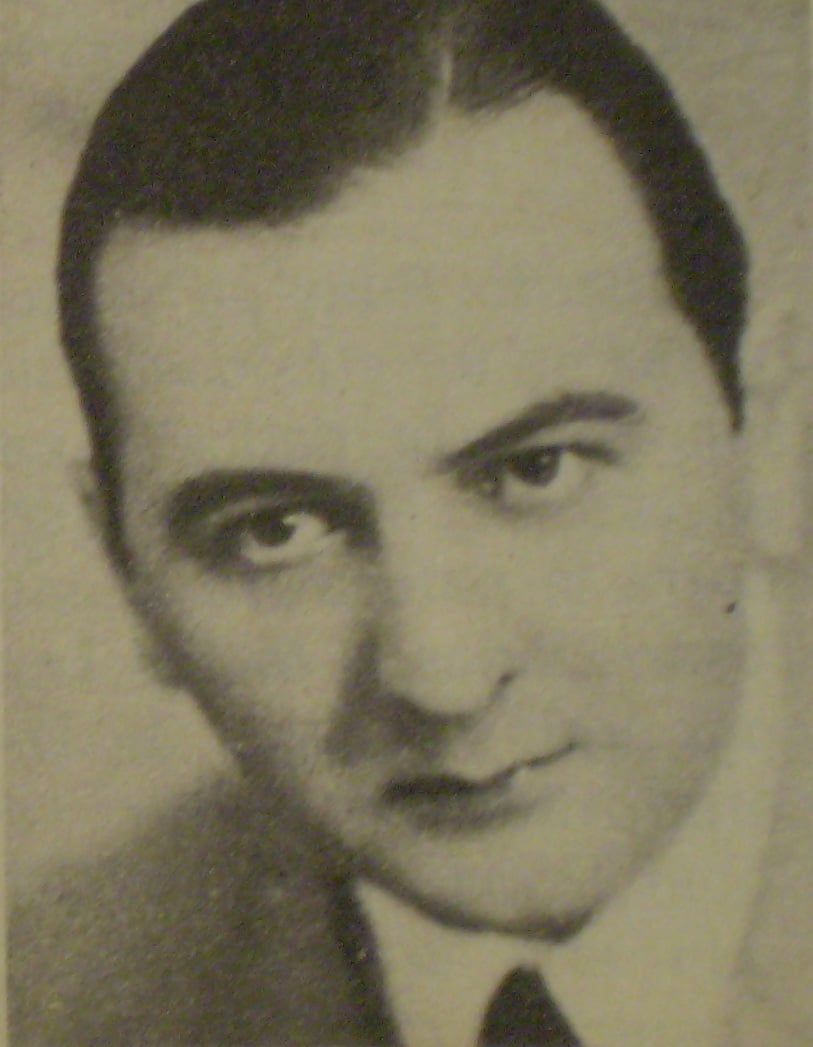
Tango Singer Ángel Vargas, is an all-time favorite among tango dancers in Milongas all over the world. Born on October 22, 1904, in the heart of Buenos Aires’ Barracas neighborhood, Ángel is one of the “Dos Angeles”, the “two angels”: His long-time engagement with orchestra director Ángel D’Agostino has produced some of the most beautiful and danceable recordings of Tango.
Table of Contents
Biography
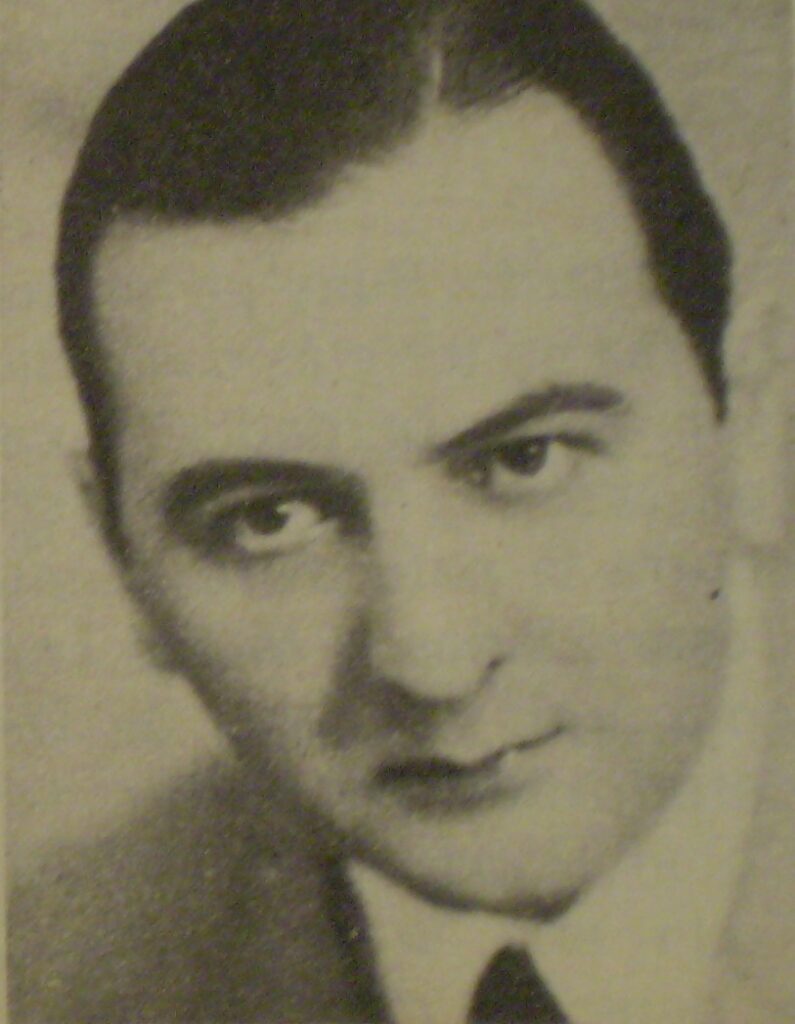
Early Years in Barracas
Ángel Vargas, originally named José Ángel Lomio, commenced his musical journey in the 1930s under the pseudonym Carlos Vargas, singing for the Augusto Pedro Berto orchestra. However, it was in 1932 that he crossed paths with Ángel D’Agostino, and the two went on to create a musical legacy.
The Rise to Fame with Ángel D’Agostino
By 1940, Ángel Vargas reached the pinnacle of recognition as the lead vocalist for Ángel D’Agostino’s orchestra, producing ninety-three recordings that became essential pieces of the Milonga repertoire. Their collaboration continued until 1946, featuring timeless classics like “Tres esquinas,” “Cuartito azul,” and “Muchacho.”
Solo Career and Artistic Evolution
Following the D’Agostino era, Vargas ventured into a solo career, leaving his mark on the tango scene. Noteworthy collaborations include recordings with Eduardo Del Piano, Armando Lacava, and Edelmiro “Toto” D’Amario. His solo works, such as “Mi vieja viola” and “Ventanita de arrabal,” showcase the depth of his popular interpretations.
Legacy and Lasting Impressions
Angel Vargas earned the affectionate nickname “El ruiseñor de las calles porteñas” (The Nightingale of Buenos Aires Streets) due to his soulful and melodious interpretations. His untimely death at the age of fifty-four, while still actively contributing to the tango world, left an enduring legacy.
Vargas’s presence extends beyond audio recordings, as he graced the silver screen in the film “Su última pelea” in 1949, directed by Jerry Gómez.
Discography Journey
10 Most Important Tango Songs by Ángel Vargas
- “Tres esquinas”
- Year: 1940
- Orchestra: Ángel D’Agostino
- Singer: Ángel Vargas
- Details: A timeless classic, “Tres esquinas” reflects Vargas’s emotive vocal style, making it a staple at milonga dance events.
2. “Cuartito azul”
- Year: 1942
- Orchestra: Ángel D’Agostino
- Singer: Ángel Vargas
- Details: This melancholic piece showcases Vargas’s ability to convey deep emotions through his soulful voice.
3. “Muchacho”
- Year: 1942
- Orchestra: Ángel D’Agostino
- Singer: Ángel Vargas
- Details: “Muchacho” is celebrated for its poetic lyrics and Vargas’s expressive interpretation, making it a cherished tango.
4. “Ventanita de arrabal”
- Year: 1956
- Orchestra: Edelmiro D’Amario
- Singer: Ángel Vargas
- Details: A later recording, “Ventanita de arrabal,” exemplifies Vargas’s continued mastery in delivering poignant tango narratives.
5. “Mi vieja viola”
- Year: 1947
- Orchestra: Eduardo Del Piano
- Singer: Ángel Vargas
- Details: Vargas’s rendition of “Mi vieja viola” reflects his versatility, adding a touch of nostalgia to the tango repertoire.
6. “Naipe marcado” (1951)
- Orchestra: Armando Lacava
- Singer: Ángel Vargas
- Details: A significant collaboration, “Naipe marcado” reflects Vargas’s continued exploration of tango themes with Armando Lacava.
7. “De vuelta al bulín” (1951)
- Orchestra: Armando Lacava
- Singer: Ángel Vargas
- Details: This recording captures Vargas’s dynamic range and his ability to infuse passion into every note.
8. “Langosta” (1955)
- Orchestra: Edelmiro D’Amario
- Singer: Ángel Vargas
- Details: “Langosta” showcases Vargas’s adaptability, blending seamlessly with the orchestra’s arrangement to create a captivating piece.
9. “El choclo” (1955)
- Orchestra: Edelmiro D’Amario
- Singer: Ángel Vargas
- Details: A rendition of the classic “El choclo,” Vargas adds his signature touch, making it a must-listen for tango enthusiasts.
10. “Glorias del ayer” (1958)
- Orchestra: Luis Stazo
- Singer: Ángel Vargas
- Details: Closing the list, “Glorias del ayer” showcases Vargas’s enduring artistry, leaving a lasting impact on the tango landscape.
Frequently Asked Questions (FAQ) about Ángel Vargas
Who was Ángel Vargas?
Ángel Vargas (José Ángel Lomio) was a renowned Argentine tango singer born on October 22, 1904, in Barracas, Buenos Aires. He became a prominent figure in the tango scene, particularly known for his collaboration with orchetra director Ángel D’Agostino in the 1940s.
What are some of Ángel Vargas’s most famous tangos?
Some of Ángel Vargas’s most famous tangos include “Tres esquinas,” “Cuartito azul,” “Muchacho,” “Ventanita de arrabal,” and “Mi vieja viola.” These songs are celebrated for their lyrical depth and Vargas’s expressive interpretation.
Did Ángel Vargas record as a solo artist?
Yes, Ángel Vargas recorded as a solo artist, both during and after his collaboration with Ángel D’Agostino. His solo career featured collaborations with various orchestras, including Eduardo Del Piano, Armando Lacava, Edelmiro D’Amario, and others.
What notable recordings did Ángel Vargas make with different orchestras?
Ángel Vargas made significant recordings with orchestras such as Ángel D’Agostino, Armando Lacava, Edelmiro D’Amario, and others. Some noteworthy recordings include “Naipe marcado,” “De vuelta al bulín,” “Langosta,” and “Glorias del ayer.”