Alfredo Bevilacqua: Pioneering the Tango Rhythms
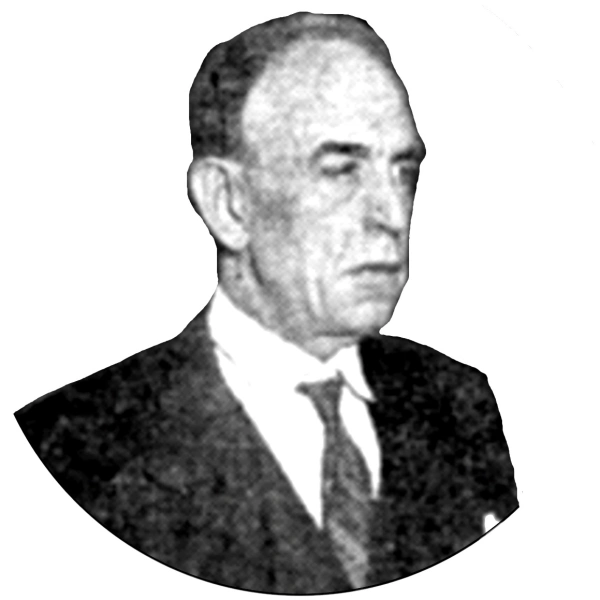
Alfredo Bevilacqua was a pianist, composer, and orchestra director from Buenos Aires. He left a big mark on the early Guardia Vieja era, including by publishing one of the first systematic works of musical theory and practice of Tango.
Birth and Early Years
Alfredo Alberto Bevilacqua, born on February 20, 1874, in Buenos Aires, Argentina, is considered one of the foremost figures of the Guardia Vieja (Old Guard) in tango. Legend has it that he was born on a Buenos Aires train traveling between Retiro and Olivos along the Northern Railway, at the Bajo Belgrano station.
In 1911, Bevilacqua wrote and published the Tango’s First Theoretical Treatise on tango, titled Escuela de tango. Tratado teórico-práctico (Tango School: Theoretical-Practical Treaty).
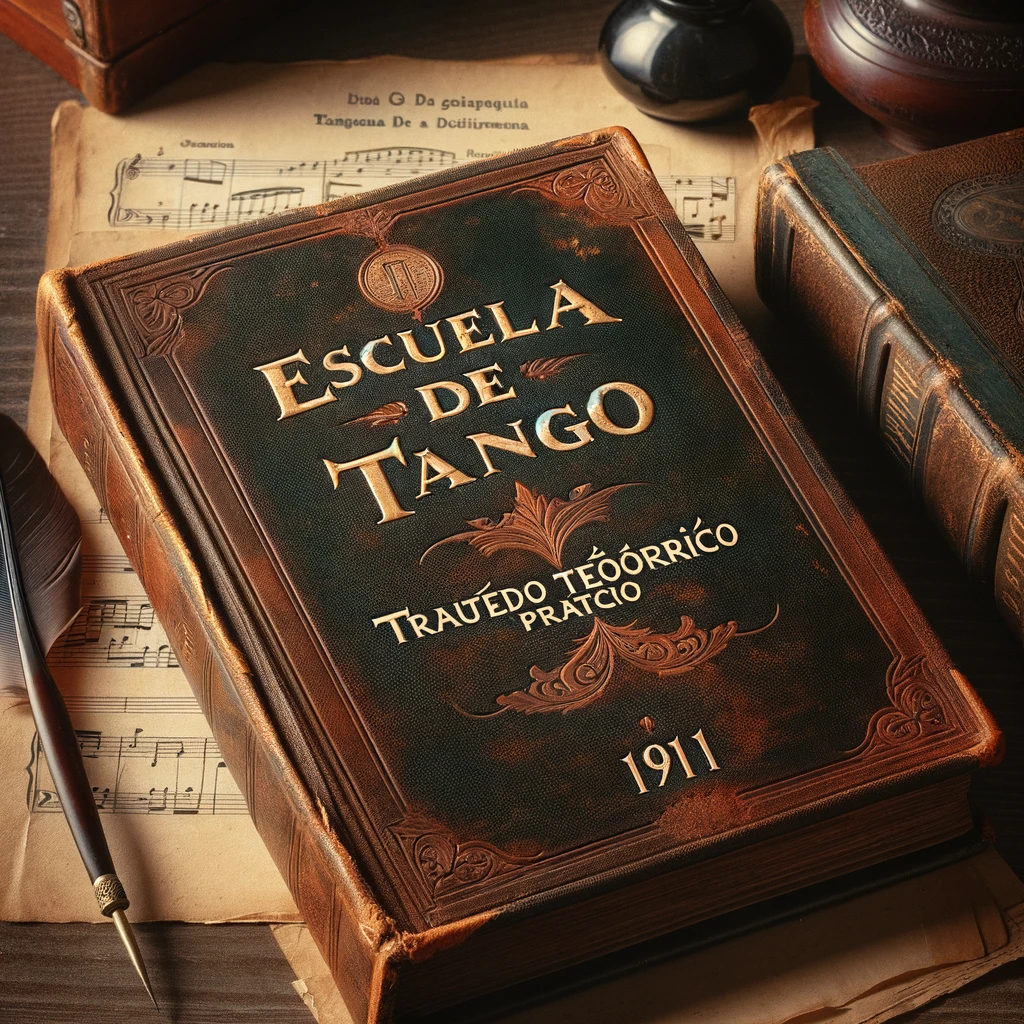
The original script had 45 pages, was printed in low volume. Only Midjourney was able to still find a copy, as shown in the picture above.
This groundbreaking work, written in Spanish, French, and Italian, presented a technical musical analysis of tango, defining its rhythm and providing insights into its composition.
Professional Journey
Commencing his musical journey at the age of 14, Bevilacqua worked at a timber yard and later in a wholesale store. Simultaneously, he studied piano under Maestros Ángel Ratti and Brunetti Abnicari. In 1902, he composed his debut tango, “Venus,” dedicating it to his friend Amadeo Bonetti.
Bevilacqua’s talents graced various venues, notably at the Pasatiempo Theater on Paraná Street, at the foot of the Politeama Theater. He became a fixture at María La Vasca’s dance establishment in Buenos Aires, solidifying his reputation as a pianist in the burgeoning tango scene.
In 1910, during the centenary celebrations of the May Revolution, Bevilacqua debuted his tango “Independencia.” Leading a music band, he performed it on Avenida de Mayo, presenting the score as a gift to Princess Isabel of Bourbon, representing Spain during the festivities. Another gift was the score of “Emancipación” to the Chilean minister Cruchaga Tocornal, honoring Chile’s centenary.
Late Years and Legacy
In his later years, Bevilacqua continued as a music teacher and piano tuner. He passed away on July 1, 1942, at the Hospital Italiano in Buenos Aires, leaving an indelible mark on the history of tango.
Top 10 Most Important Tango Songs of Alfredo Bevilacqua
Alfredo Bevilacqua is recognized as a prominent figure in the Guardia Vieja era of tango, and while he contributed significantly to the genre, he might not have an extensive list of compositions compared to some other tango musicians. Here is a compilation of some of his notable tangos:
- Independencia
- Recording Year: 1910
- Orchestra: Alfredo Bevilacqua’s Band
- Singer: N/A
- Details: “Independencia” was presented during the centenary celebrations of the May Revolution in 1910 and was gifted to Princess Isabel of Bourbon, representing Argentina’s gift to Spain.
- Emancipación
- Recording Year: 1910
- Orchestra: Alfredo Bevilacqua’s Band
- Singer: N/A
- Details: Composed as a gift to the Chilean minister, Cruchaga Tocornal, “Emancipación” was dedicated to the Republic of Chile in homage to its centenary in 1910.
- Bar El Popular
- Recording Year: 1903
- Orchestra: Alfredo Bevilacqua’s Band
- Singer: N/A
- Details: Collaboratively composed with Antonio Polito, this tango reflects the vibrant atmosphere of Buenos Aires in the early 20th century.
- Recuerdos de La Pampa
- Recording Year: N/A
- Orchestra: N/A
- Singer: N/A
- Details: This composition captures the essence of the Pampas, the vast plains of Argentina, through Bevilacqua’s musical interpretation.
- Gran Muñeca
- Recording Year: N/A
- Orchestra: N/A
- Singer: N/A
- Details: Collaboratively composed with Antonio Polito, “Gran Muñeca” adds to Bevilacqua’s repertoire of early tango compositions.
- El Orillero
- Recording Year: N/A
- Orchestra: N/A
- Singer: N/A
- Details: A collaboration with Carlos Minotti, “El Orillero” is an example of Bevilacqua’s contribution to the diverse themes within tango music.
- Monterrey
- Recording Year: N/A
- Orchestra: N/A
- Singer: N/A
- Details: Another collaborative effort, this time with Héctor Polito, “Monterrey” showcases Bevilacqua’s ability to blend various influences into his compositions.
- Minguito
- Recording Year: 1906
- Orchestra: N/A
- Singer: N/A
- Details: “Minguito” is an early tango piece that reflects the evolving styles of the Guardia Vieja era.
- La Criolla
- Recording Year: N/A
- Orchestra: N/A
- Singer: N/A
- Details: This composition adds to Bevilacqua’s exploration of different themes within tango, capturing the spirit of the time.
- Brisas del Sur
- Recording Year: 1933
- Orchestra: N/A
- Singer: N/A
- Details: One of Bevilacqua’s later works, “Brisas del Sur” is a testament to his enduring influence on tango music.
Frequently Asked Questions about Alfredo Bevilacqua
What is the significance of Bevilacqua’s treatise, “Escuela de Tango”?
“Escuela de Tango” is the first theoretical treatise on tango, written in Spanish, French, and Italian. It provides a detailed analysis of tango’s musical aspects, defining its rhythm and offering insights into its composition.
How did Bevilacqua contribute to tango’s early years?
Bevilacqua composed influential tangos such as “Independencia,” “Emancipación,” and “Bar El Popular.” He played a pivotal role during the centenary celebrations of the May Revolution in 1910, presenting his compositions as gifts.
What were Bevilacqua’s notable compositions?
Some of his noteworthy compositions include “Independencia,” “Emancipación,” “Bar El Popular,” and “Brisas del Sur.” Each reflects the cultural and social dynamics of the time.
How did Bevilacqua contribute to tango’s international relations?
During the 1910 centenary celebrations, Bevilacqua presented “Independencia” to Princess Isabel of Bourbon, symbolizing Argentina’s gift to Spain. He also gifted “Emancipación” to the Chilean minister, Cruchaga Tocornal.
How did Bevilacqua’s treatise impact tango musicians and enthusiasts?
Bevilacqua’s treatise laid the foundation for understanding the technical aspects of tango. It encouraged creativity among tango enthusiasts, providing a theoretical framework for the genre’s development.
Notable Sources
- Centro Editor de Cultura Argentina: Mujeres y hombres que hicieron el tango by José Gobello.
- Todo Tango: Alfredo Bevilacqua’s registered compositions.
- Ediciones Corregidor: Así nacieron los tangos by Francisco García Jiménez.